
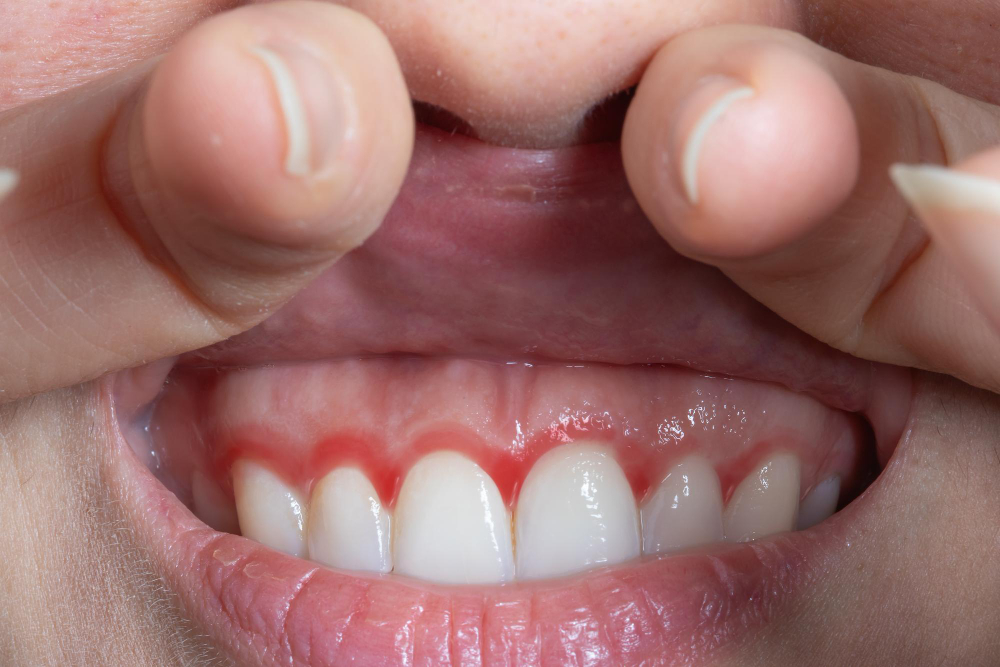
What is Gum Disease?
Gum disease, also called periodontal disease, affects the tissues that support your teeth. It starts when bacteria build up on your teeth and gums. Over time, this can lead to swelling, bleeding, and even tooth loss. Early gum disease is known as gingivitis. If left untreated, it can become more serious and turn into periodontitis. Because gum disease can harm your smile, it is important to know how to treat and prevent it.
Common Symptoms of Gum Disease
Recognizing the signs of gum disease early can help you seek treatment sooner. For example, you may notice:
However, some people may not notice symptoms right away. That is why regular dental check-ups are important.
Causes and Risk Factors
Gum disease usually starts with plaque, a sticky film of bacteria. If you do not remove plaque by brushing and flossing, it can harden into tartar. Tartar can only be removed by a dentist. In addition, several factors can increase your risk of gum disease:
Because these risks can add up, it is important to take care of your mouth every day.
Diagnosis of Gum Disease
To diagnose gum disease, a dentist will check your gums and teeth. First, they may use a small tool to measure the space between your teeth and gums. Healthy gums fit snugly around your teeth. But deeper spaces can be a sign of disease. Sometimes, dental X-rays help show bone loss. Early diagnosis means you can start gum disease treatment sooner and protect your smile.
Gum Disease Treatment Options
There are several effective gum disease treatments. The right choice depends on how severe your condition is. For mild cases, professional cleaning may be enough. However, more advanced gum disease may need special care. Common treatments include:
Because each person is different, your dentist for gum disease will suggest the best plan for you. Always follow their advice for the best results.
Home Care and Lifestyle Tips
Along with professional gum infection remedies, home care is key. For example, you can:
Because small changes can make a big difference, try to keep up with these habits every day.
Prevention Strategies
Preventing gum disease is easier than treating it. Therefore, focus on these simple steps:
With these prevention strategies, you can keep your gums healthy and your smile bright.
In summary, gum disease treatment works best when started early. If you notice any symptoms, do not wait. Consult a dental specialist Dr. Yampati Tara for personalized gum disease treatment and advice.