
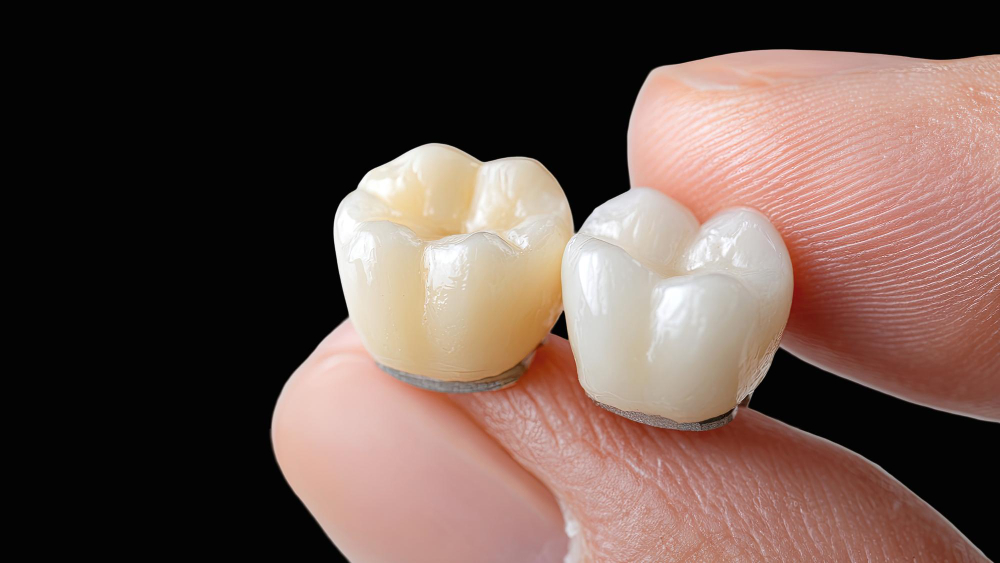
Introduction: What Are Dental Crowns?
Dental crowns are special caps placed over damaged teeth. They help protect and restore teeth that are weak, broken, or worn down. Because dental crowns cover the whole tooth, they make it stronger and improve its look. Many people choose dental crowns to fix teeth after injury or decay. In fact, dental crowns are a common way to save teeth and keep your smile healthy.
Symptoms and Signs You May Need a Dental Crown
Sometimes, your teeth show signs that they need extra support. For example, you might notice:
Additionally, if you have had a root canal, your dentist may suggest a crown. Early signs can help you get treatment before the problem gets worse.
Common Causes of Tooth Damage Requiring Crowns
Teeth can get damaged for many reasons. Some common causes include:
Because these issues can harm your teeth, dental crowns help protect and restore them.
Diagnosis: How Dentists Decide If You Need a Crown
Dentists use several steps to check if you need a dental crown. First, they ask about your symptoms and examine your mouth. Next, they may take X-rays to see inside the tooth and check the roots. If the tooth is weak, cracked, or has a large filling, a crown may be the best choice. Sometimes, dentists use special tools to test the strength of your tooth. After reviewing all the information, your dentist will explain the best treatment for you.
Treatment Process: Steps Involved in Getting a Dental Crown
Getting a dental crown usually takes two visits. Here are the main steps:
Because the process is simple, most people return to normal activities the same day.
Types of Dental Crowns: Materials, Pros, and Cons
There are several types of dental crowns. Each has its own benefits and drawbacks:
Your dentist will help you choose the best type for your needs and budget.
Aftercare and Lifestyle Tips for Maintaining Crowns
Proper care helps your dental crowns last longer. Here are some tips:
With good habits, your crowns can last many years.
Prevention: How to Protect Teeth and Avoid Future Damage
Although dental crowns help restore teeth, it is better to prevent damage. For example, you can:
Because prevention is key, these steps help keep your teeth strong and healthy.
Risks and Possible Complications
Dental crowns are safe for most people. However, some risks may include:
If you notice pain or problems with your crown, contact your dentist right away. Early care can prevent bigger issues.
Frequently Asked Questions (FAQs)
Conclusion: Consult a Dentist for Personalized Guidance
Dental crowns are a trusted way to protect and restore damaged teeth. Because every mouth is different, it is important to talk with your dentist. They can help you choose the best option for your needs. For the healthiest smile, consult Dr. Yampati Tara for personalized guidance.