
Introduction
Composite restorations are a popular dental treatment that helps repair damaged or decayed teeth. Dentists use tooth-colored fillings, also called composite restorations, to restore both the look and function of your teeth. Because they blend in with your natural teeth, these fillings are a top choice for many people. In fact, composite restorations have become an important part of modern dentistry. They offer a safe and effective way to fix cavities, chips, or cracks. If you want a healthy and natural-looking smile, composite restorations may be the right option for you.
What Are Composite Restorations?
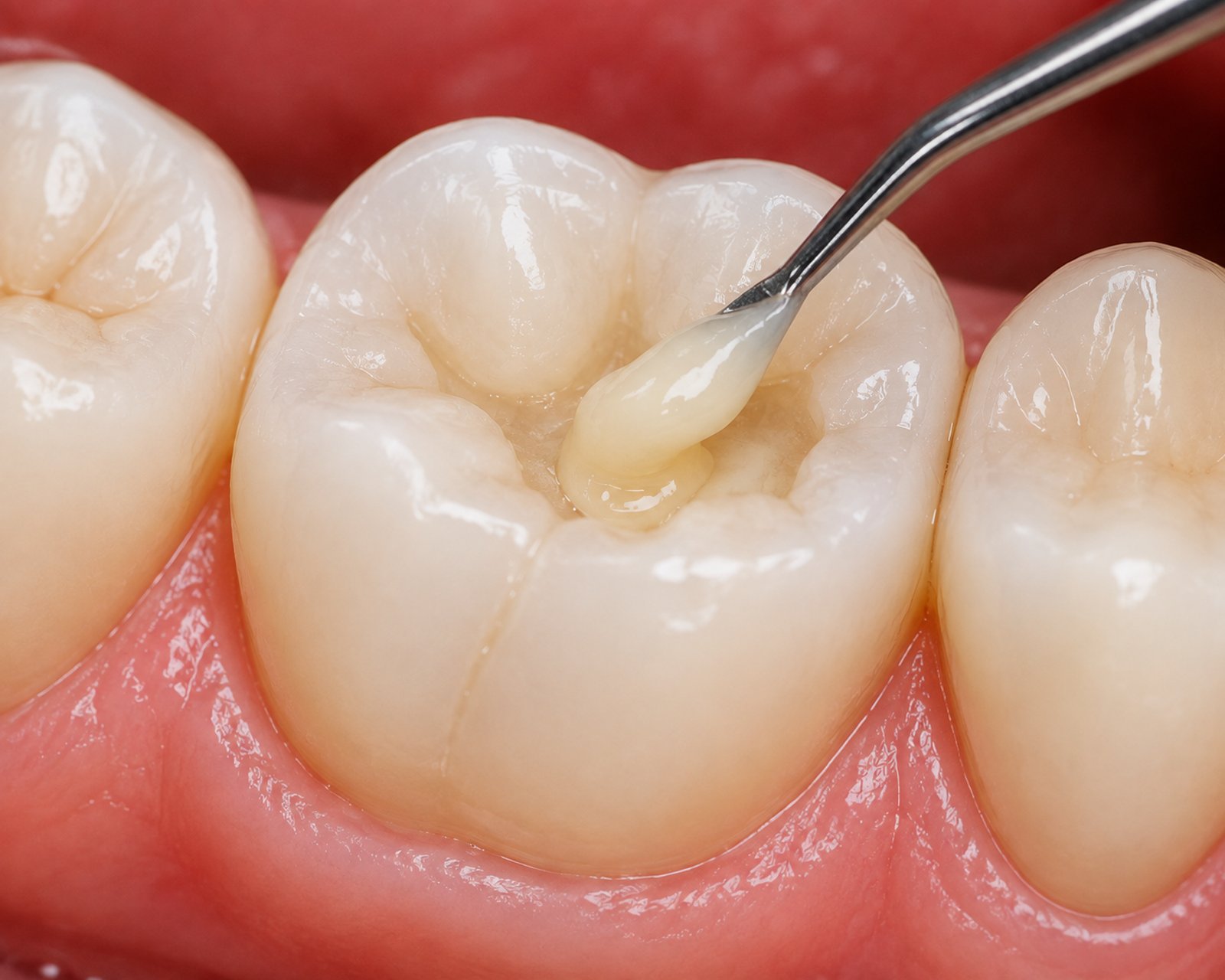
Composite restorations are dental fillings made from a special resin material. This material matches the color of your natural teeth. Dentists use them to fix cavities, chips, or worn-down teeth. Unlike metal fillings, composite restorations blend in with your smile. As a result, they are often called tooth-colored fillings. Many people also know them as dental bonding. Because they are strong and look natural, composite restorations are used for both front and back teeth. Local dental clinics offer this cosmetic dental treatment for patients of all ages.
Benefits of Composite Restorations
Composite restorations offer many advantages over traditional fillings. For example, they look natural and are less noticeable. Here are some key benefits:
Because of these benefits, many people prefer composite restorations for both health and cosmetic reasons. According to the American Dental Association (ADA), composite fillings are safe and effective for most patients.
Step-by-Step Procedure
Getting a composite restoration is a simple process. Although each case is unique, most treatments follow these steps:
Because the procedure is quick and comfortable, many patients return to normal activities right away. Local dental clinics can usually complete composite restorations in a single visit.
Aftercare and Maintenance Tips
Proper care helps your composite restorations last longer. While these fillings are strong, good habits keep them looking and working their best. Here are some helpful tips:
Because composite restorations can stain over time, try to limit coffee, tea, and tobacco use. If you notice any pain or changes in your filling, contact your dentist right away.
Frequently Asked Questions
How long do composite restorations last?
With good care, composite restorations can last 5 to 10 years or more. However, their lifespan depends on your oral habits and regular dental visits.
Are composite fillings safe?
Yes, composite restorations are safe. The American Dental Association (ADA) confirms that the materials used are tested and approved for dental use.
Can I eat normally after getting a composite filling?
Usually, you can eat soon after the procedure. However, it is best to wait until the numbness wears off to avoid biting your cheek or tongue.
Do composite restorations cost more than metal fillings?
Composite fillings may cost a bit more than metal ones. However, many people feel the natural look and other benefits are worth it. Local dental clinics can provide cost details.
Will my insurance cover composite restorations?
Many dental insurance plans cover composite restorations, especially for front teeth. Still, coverage can vary, so check with your provider.
Conclusion
Composite restorations offer a natural, safe, and effective way to repair your teeth. Because they blend in with your smile, they are a top choice for many people. If you want to improve your dental health and appearance, composite restorations may be right for you. Consult Dr. Yampati Tara to find out if composite restorations are the best option for your needs.