
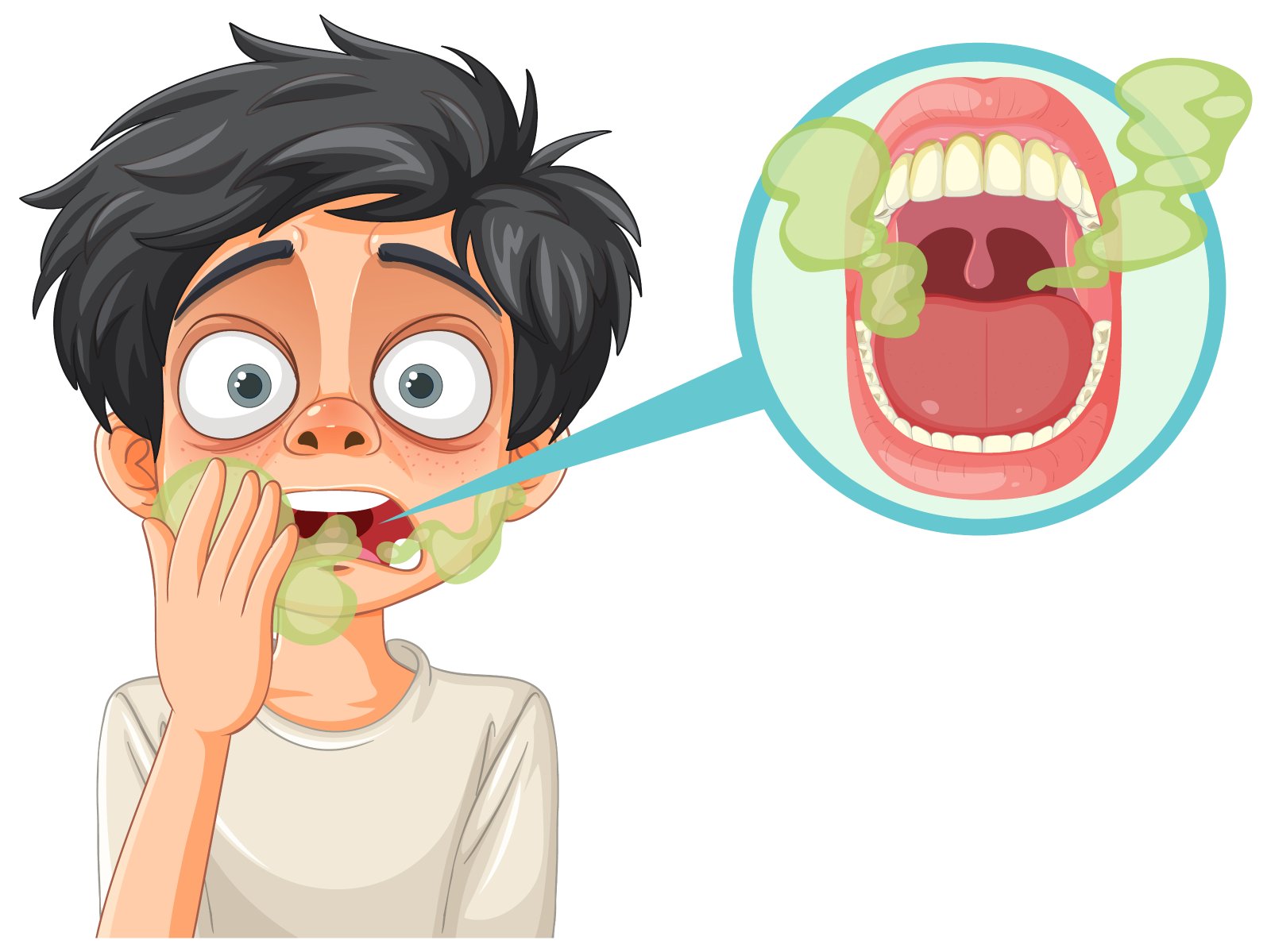
What is Halitosis?
Halitosis is the medical term for bad breath. Many people experience it at some point. However, for some, it becomes a regular problem. Halitosis can affect your confidence and social life. In many cases, it is easy to treat. But sometimes, it may signal a health issue. Understanding halitosis helps you take the right steps to manage it.
Common Symptoms of Halitosis
Halitosis is more than just morning breath. Often, it lasts throughout the day. You may notice a bad taste in your mouth. Sometimes, friends or family mention your breath smells unpleasant. In addition, you might feel dry mouth or a sticky feeling. Here are some signs to watch for:
Main Causes of Halitosis
There are many reasons for halitosis. Most often, it starts in the mouth. Bacteria break down food particles and release odors. But sometimes, other health issues can cause bad breath. For example, sinus infections or stomach problems may play a role. Here are the main causes:
How Halitosis is Diagnosed
First, a dentist will ask about your health and habits. Next, they will check your mouth, teeth, and gums. Sometimes, they may use special tools to measure the smell of your breath. In some cases, your dentist may suggest seeing a doctor. This is to rule out other health problems. Early diagnosis helps you get the right treatment quickly.
Effective Treatments for Halitosis
Treating halitosis depends on the cause. Most often, improving oral hygiene helps. However, if another health issue is the cause, treating that problem is important. Here are common treatments:
Lifestyle Tips to Prevent Halitosis
Good habits can help prevent halitosis. For example, brushing and flossing remove food and bacteria. In addition, drinking water keeps your mouth moist. Here are some simple tips:
When to See a Dentist
If bad breath does not go away with good oral care, it is time to see a dentist. Sometimes, halitosis can signal a dental or medical problem. Early treatment can prevent bigger issues. You should also visit your dentist if you notice bleeding gums, loose teeth, or pain in your mouth. Remember, your dentist can help find the cause and suggest the best treatment.
For personalized advice on managing halitosis, consult Dr Yampati Tara. They can help you find the right solution for fresh breath and a healthy smile.